
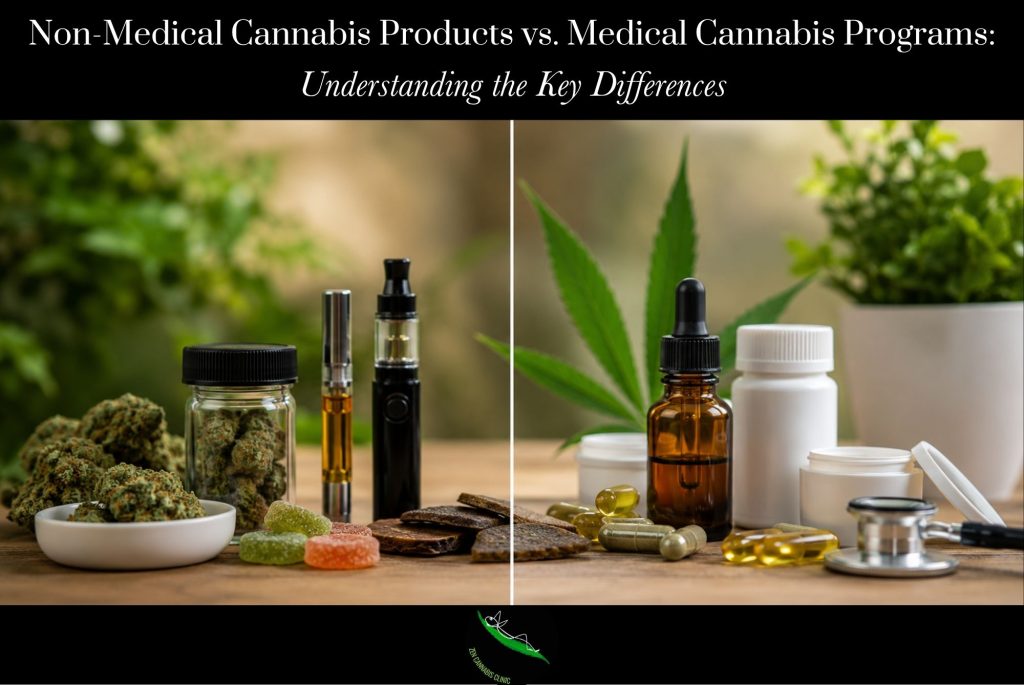
As cannabis legalization continues to expand across the United States, more people are exploring cannabis products for wellness, symptom management, and recreational purposes. However, many consumers remain unclear about the differences between non-medical cannabis products and cannabis obtained through a medical cannabis program.
Understanding these distinctions is essential for making informed decisions about your health, safety, product quality, and access to treatment options. At Zen Cannabis Clinic, we help patients navigate the medical cannabis process and determine whether a medical cannabis program may be the right choice for their individual healthcare needs.
What Is Non-Medical Cannabis?
Non-medical cannabis, often referred to as recreational cannabis, is cannabis purchased and used without a physician’s recommendation or enrollment in a state-approved medical cannabis program.
Consumers purchase these products primarily for personal enjoyment, relaxation, stress relief, or general wellness purposes. Depending on state laws, non-medical cannabis products may be available through licensed dispensaries, hemp retailers, smoke shops, or online marketplaces.
Common Non-Medical Cannabis Products
- CBD oils and tinctures
- Delta-8 THC products
- Hemp-derived cannabinoids
- Cannabis flower (where legal)
- Edibles and gummies
- Vape cartridges
- Concentrates
- Topicals and creams
While many of these products may provide beneficial effects, they are generally not prescribed or monitored by healthcare providers.
What Is a Medical Cannabis Program?
A medical cannabis program is a state-regulated system that allows qualified patients to access cannabis products for the treatment of specific medical conditions under the guidance of a licensed healthcare professional.
Patients typically undergo a medical evaluation and receive certification or recommendation from an approved physician. Once approved, they receive access to medical cannabis products through licensed medical dispensaries.
Conditions Commonly Treated with Medical Cannabis
Medical cannabis programs may support patients suffering from:
- Chronic pain
- PTSD
- Anxiety disorders
- Cancer-related symptoms
- Neurological disorders
- Multiple sclerosis
- Epilepsy
- Severe nausea
- HIV/AIDS-related symptoms
- Inflammatory conditions
- Sleep disorders
Eligibility varies by state, making it important to consult with experienced medical cannabis providers like Zen Cannabis Clinic.
Major Differences Between Non-Medical and Medical Cannabis
1. Physician Oversight
One of the biggest differences is medical supervision.
Non-Medical Cannabis
- No healthcare provider guidance required
- Self-selected products and dosing
- Trial-and-error approach
Medical Cannabis Program
- Physician evaluation and certification
- Personalized treatment recommendations
- Ongoing monitoring and support
- Medical documentation of qualifying conditions
Patients often benefit from expert guidance that helps reduce risks and improve outcomes.
2. Product Strength and Formulations
Medical cannabis programs often provide access to products specifically formulated for therapeutic purposes.
Non-Medical Products
- General consumer products
- Wide variation in potency
- Limited therapeutic guidance
Medical Program Products
- Targeted cannabinoid ratios
- Specialized formulations
- Consistent dosing standards
- Products designed for symptom management
Medical patients frequently gain access to formulations not available in recreational markets.
3. Product Testing and Quality Assurance
Quality standards matter significantly when cannabis is being used for health-related purposes.
Non-Medical Products
Testing requirements may vary depending on product type and jurisdiction.
Medical Cannabis Products
Typically subject to stricter testing standards for:
- Potency
- Pesticides
- Heavy metals
- Mold
- Microbial contaminants
- Residual solvents
This added layer of quality control can provide greater confidence for patients seeking reliable symptom relief.
4. Cost Considerations
Many consumers assume recreational cannabis is less expensive. However, that is not always true.
Non-Medical Cannabis
- Subject to recreational taxes in many states
- No patient discounts
- Limited financial assistance programs
Medical Cannabis Program
- Potential tax savings in some states
- Medical patient discounts
- Compassionate care programs
- Greater long-term value for regular users
The overall cost advantage depends on state regulations and patient needs.
5. Legal Protections
Medical cannabis patients often receive legal protections unavailable to recreational users.
Potential benefits may include:
- Higher possession limits
- Access to stronger formulations
- Legal recognition of medical necessity
- Expanded purchasing rights
Specific protections vary by state.
6. Access to Professional Guidance
Medical cannabis patients receive support from healthcare professionals who understand:
- Dosing strategies
- Drug interactions
- Treatment goals
- Side effect management
- Product selection
This professional oversight can help patients achieve better outcomes while minimizing unwanted effects.
Benefits of Joining a Medical Cannabis Program
Many patients choose medical cannabis programs because they provide:
Better Symptom Management
Medical cannabis plans are often tailored to specific conditions and symptoms.
Safer Usage
Professional guidance can reduce the likelihood of improper dosing or adverse effects.
Higher Quality Products
Medical-grade products typically undergo rigorous testing and quality assurance procedures.
Ongoing Support
Patients receive access to knowledgeable providers who can adjust recommendations over time.
Potential Financial Savings
Medical patients may qualify for discounts, reduced taxes, or other cost-saving benefits.
Is Medical Cannabis Right for You?
If you are struggling with a qualifying medical condition and have not found adequate relief through conventional treatments, medical cannabis may be worth exploring.
A medical cannabis evaluation can help determine whether you qualify and identify treatment options tailored to your health goals.
At Zen Cannabis Clinic, our mission is to provide compassionate, professional guidance to help patients access safe and effective medical cannabis care.
Why Choose Zen Cannabis Clinic?
Zen Cannabis Clinic is committed to helping patients navigate the medical cannabis process with confidence. Our experienced team provides:
- Professional medical cannabis evaluations
- Patient-focused care
- Educational resources
- Personalized treatment recommendations
- Streamlined certification assistance
- Compassionate support throughout the process
Whether you are new to medical cannabis or seeking to renew your certification, we are here to help.
Final Thoughts
While non-medical cannabis products remain popular for general wellness and recreational use, medical cannabis programs offer significant advantages for patients seeking symptom relief and ongoing healthcare support.
From physician oversight and higher-quality products to legal protections and personalized treatment plans, medical cannabis programs provide a structured approach designed to prioritize patient health and safety.
If you are considering medical cannabis, speaking with a qualified provider is the best first step toward understanding your options and determining whether a medical cannabis program is right for you.
Frequently Asked Questions (Q&A)
What is the difference between recreational and medical cannabis?
Recreational cannabis is used without physician oversight, while medical cannabis is obtained through a state-approved program under the guidance of a healthcare provider for qualifying medical conditions.
Is medical cannabis stronger than recreational cannabis?
Not necessarily. Medical cannabis often provides specialized formulations and cannabinoid ratios designed for therapeutic benefits rather than simply higher THC content.
Do I need a medical condition to qualify for a medical cannabis program?
Yes. Most states require patients to have a qualifying medical condition and receive approval from a licensed healthcare provider.
Can medical cannabis help with chronic pain?
Many patients use medical cannabis to help manage chronic pain, inflammation, and related symptoms under medical supervision.
Are medical cannabis products safer?
Medical cannabis products often undergo stricter testing standards for potency, contaminants, pesticides, and quality assurance.
Can medical cannabis replace prescription medications?
Medical cannabis may complement or, in some cases, reduce reliance on certain medications. Patients should always consult their healthcare provider before making medication changes.
How long does the medical cannabis certification process take?
The timeline varies by state, but many patients can complete their evaluation and certification process relatively quickly.
Does insurance cover medical cannabis?
Most insurance providers currently do not cover medical cannabis, although policies continue to evolve.
What conditions commonly qualify for medical cannabis?
Common qualifying conditions include chronic pain, PTSD, cancer-related symptoms, anxiety disorders, epilepsy, multiple sclerosis, and severe nausea.
How can Zen Cannabis Clinic help?
Zen Cannabis Clinic provides professional medical cannabis evaluations, education, certification assistance, and personalized support throughout the medical cannabis process.
Contact Information
Zen Cannabis Clinic
📞 Cell Phone: (214) 646-2936
Website: zencannabisclinic.com